Catalogue 2025-2026
Below, browse the 2025-2026 Rencontres Internationales catalogue, or search the archives of the works presented since 2004. New video clips are routinely posted and the images and text are regularly updated.

Niklas Buescher
Center
Experimental fiction | 16mm | color | 20:0 | Germany | 2024
A day at the Sony Center complex in Berlin. Two people meet in a chiropractor’s waiting room. They are both tired. Meanwhile, the building is under permanent construction.
Niklas Buescher studied fine arts at the Gerrit Rietveld Academie in Amsterdam. He graduated in 2019 with his first short film. In 2021, he began studying directing at the German Film and Television Academy in Berlin. Since then, he has made several fictional short films, each portraying a different site of the city.

Aleem Bukhari
Karmash
Experimental fiction | 4k | black and white | 15:0 | Pakistan | 2024
The last heir of the Karmash tribe recollects his now-forgotten ancestral traditions. He wanders through fragmented memories of his past, his lineage, and the city, which is slowly fading into the ruins of his consciousness. A portrait of a man on the verge of familial madness.
Aleem Bukhari (born 1996) is a Pakistani visual artist, writer, and filmmaker. He began his career in 2016 with independent and experimental music videos before venturing into narrative filmmaking. His notable works include Sapola (2018), Aik Do Teen (2019), and Anaari Science (2024), all of which received major accolades at the FILUMS International Film Festival. In late 2024, he wrote and directed the experimental horror short film Karmash. Bukhari's work often—though not exclusively, incorporates genre-bending science fiction and occult horror themes, characterized by an eccentric visual style. His narratives frequently focus on working-class characters. Beyond filmmaking, Bukhari is also known for his avant-garde digital illustrations and photography.
Mladen Bundalo
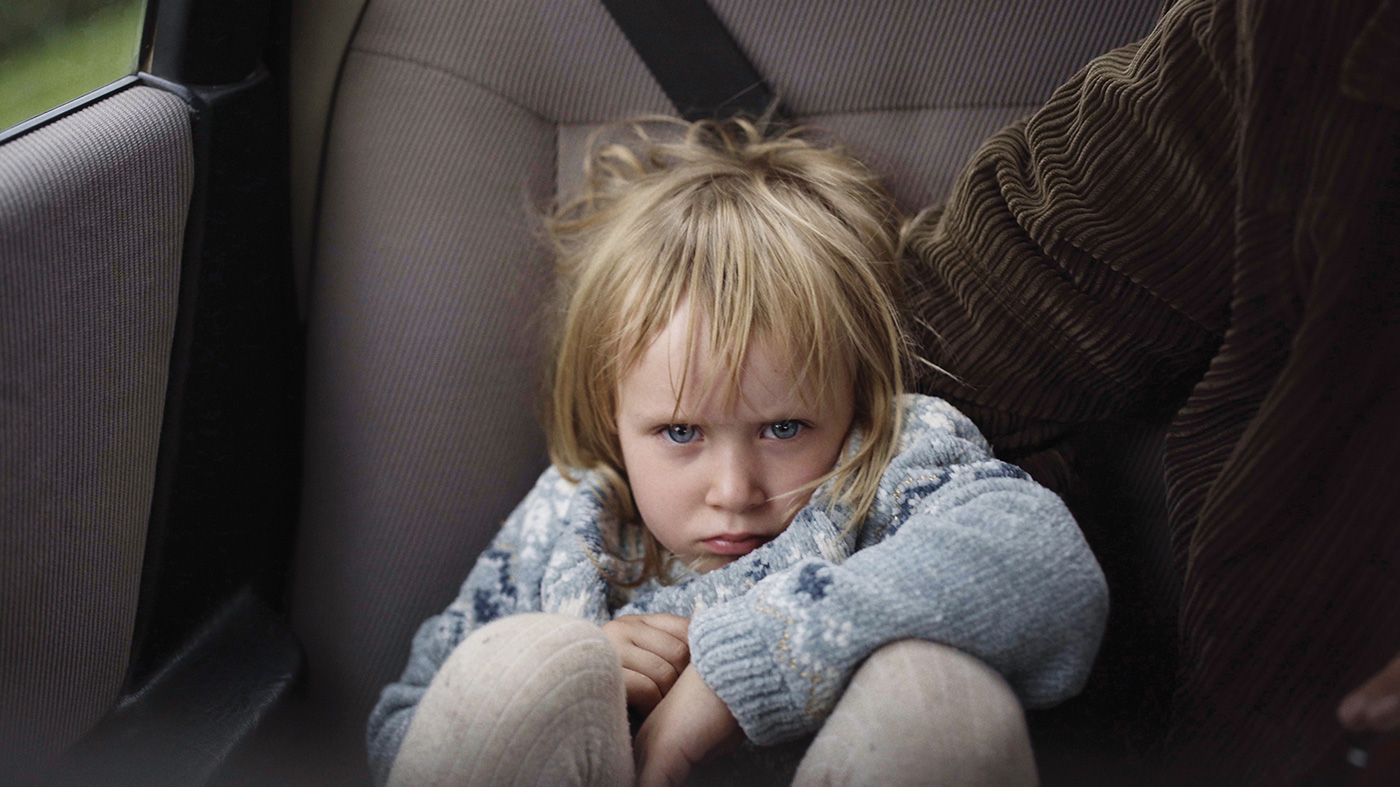
Every time you leave, you are born again
Documentary | mp4 | color | 25:0 | Bosnia & Herzegovina, Belgium | 2025
The hypnotic and purring sound of a bus engine resonates, accompanied by the rumble of the vehicle's interior. The voice, close and intimate, leads us into an inner monologue. We are on our way to Prijedor, the author's hometown in Bosnia and the place of his perpetual departures. Before arriving there, we must first learn to inhabit departure as a space in which we can grow and be reborn.
Mladen Bundalo (born in 1986, Prijedor) is an interdisciplinary artist, filmmaker, and author of Bosnian origin, currently based in Brussels. His essay-films explore themes of belonging and the human condition in the context of migration, diaspora, and periods of uncertainty and crisis.
Robbie C. Williamson
God Teeth
Experimental fiction | hdv | color | 60:0 | USA, Costa Rica | 2024
“God Teeth” is a wildly original and fantastical odyssey about four recently deceased souls who find themselves on an abandoned ship at sea. Part confessional, part elegy, the narrators must recount the circumstances which led to their untimely deaths, before a marauding gang of sting rays destroys their memories, banishing them to an eternity in purgatory. Created entirely from found internet footage, “God Teeth” offers the viewer a new and profound experience culled from the infinite digital world and turns it into a thought provoking, cinematic song of mourning and acceptance - The glory of life and death.
Going under the moniker Double Diamond Sun Body, Robbie C. Williamson produces large concepts. Starting with found material, he imposes his will and asks the material to live in a brighter universe. It’s a place where it has a chance to have a new lease on life. His film and music work take off where people like Steve Reich and Andrei Tarkovsky only touched upon. The work has been featured at LACMA, MOCA, Sundance, Tokyo International Film Festival and International film festival Rotterdam to name a few. As a composer he has written scores ranging from WU Tang’s Wildness, premiering at the MoMo Documentary Fortnight, to Ryuhei Kitamura’s Midnight Meat train (starring Bradley Cooper) that won the SCFI Jury award at Gérardmer film festival. Forbes online described Double Diamond Sun Body as “The personified astral projection of its creator’s interior world; a physically manifested concept."

Kenny Cairo
Urgence: Paris/Berlin
Multimedia performance | mp4 | color | 30:0 | France | 2024
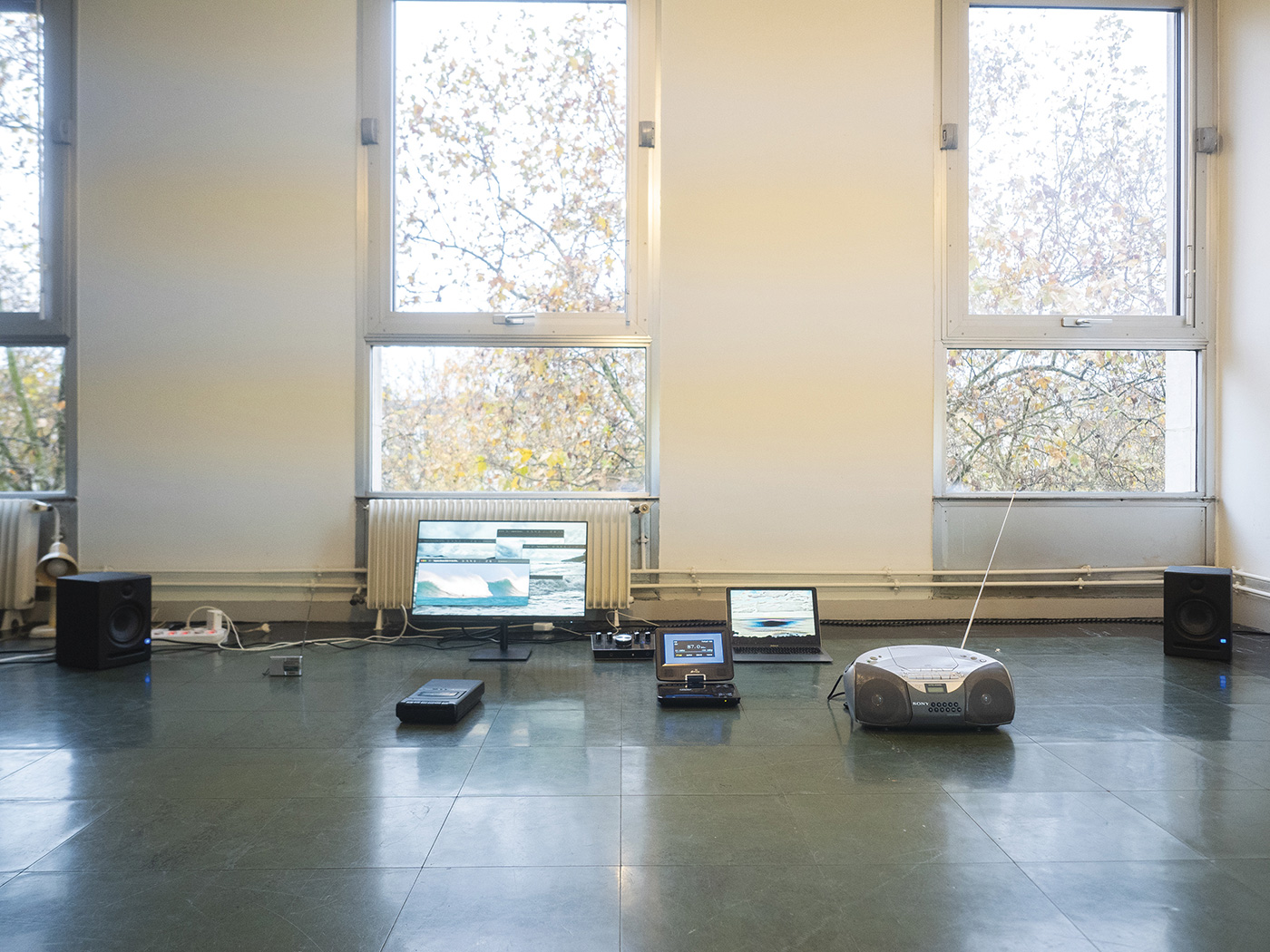
Urgence is a multimedia performance of about thirty minutes built around an orchestra of second-hand loudspeakers positioned in each corner of a room. The performer moves through the space, successively activating a pair of stereo speakers, a cassette player, a Bluetooth speaker, and two radios. The sounds emitted by each device then overlap: a composition and musical remixes, live radio broadcasts, as well as testimonies and conversations recorded in Guadeloupe. This layering of sound sources creates an unstable sonic field that oscillates between music, information, and noise. By manipulating the objects as instruments, the performer allows the audience to drift through sound toward different realities, whether recorded or unfolding live during the performance. Special attention is given to sonic porosity: the performer even invites the sound of police sirens echoing along the Quais de l’Hôtel de Ville in Paris into the work, embracing the unruly nature of sound and the possibilities that emerge from what is unplanned or undesired.
Kenny Cairo (1996, Guadeloupe) is an artist based between Guadeloupe and Paris. His work explores the intersections of human relations, recording practices, and the experience of landscape. Through composition, multimedia performances, installations, and writing, he investigates how individuals connect with each other — through friendship, international solidarities, and acts of mutual support — as well as with their environments and the objects that inhabit them. His recent work about the Caribbean region has mostly focused on the experience of natural hazards, and how local communities respond to emergency situations. Rooted in his trajectory of mobility between the Caribbean and Europe, Cairo also practices painting, often works with fragile materials such as paper, ceramics, second-hand machines, or recordings, and questions their resistance, obsolescence, and capacity to carry biographies. This material engagement extends to colonial archives and research-based practices, through collaborations with Coco Fusco, Contemporary & Magazine, the Caribbean digital library Manioc.org, and the Université des Antilles.

Julie Chaffort
Anil
Video | mov | | 0:0 | France | 2025
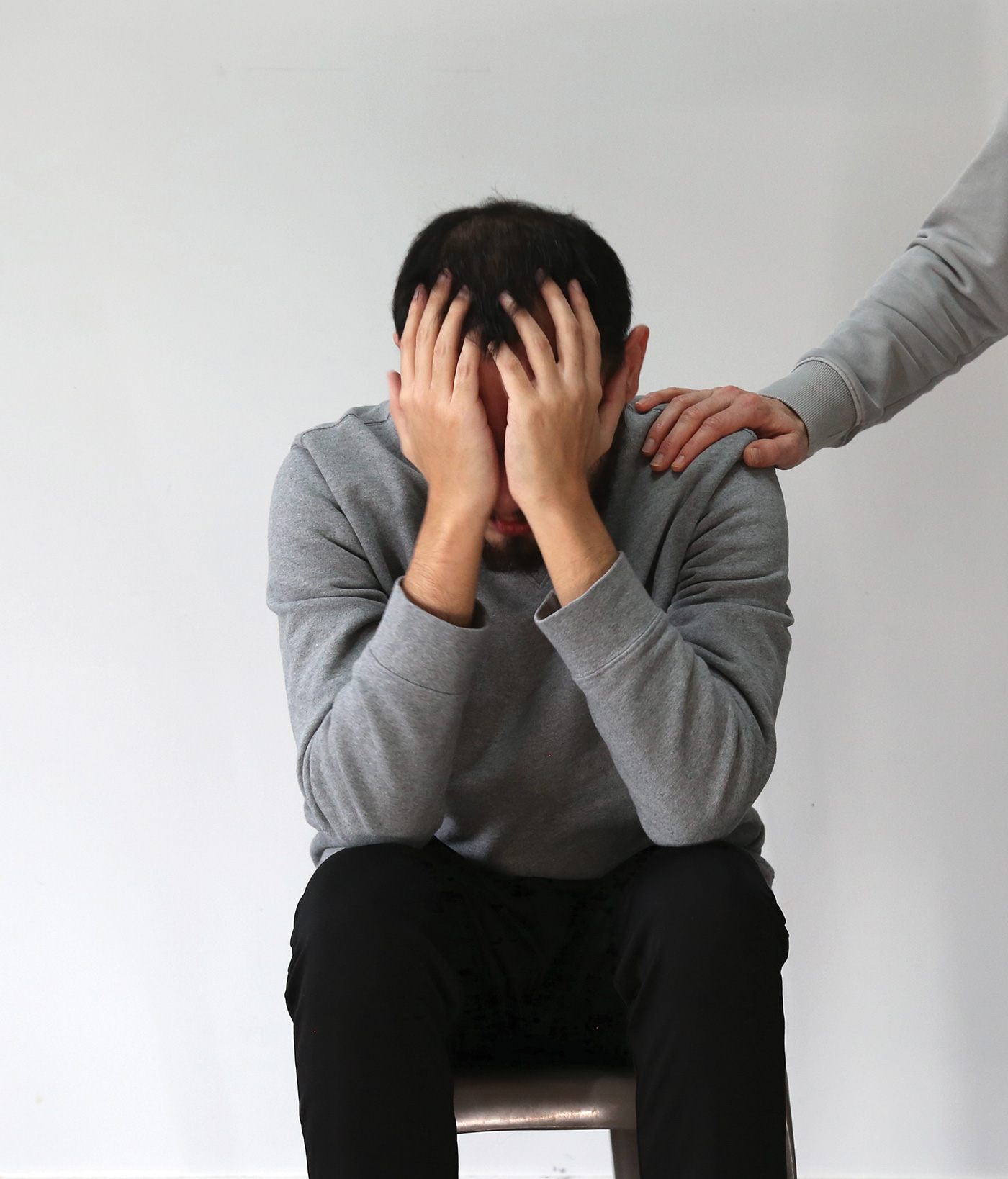
ANIL Vidéo, Couleur, Son Stéréo, 11 min, HD, - 2025 Production : Centre d’art les Tanneries, Amilly Avec Anil et Antoine Roux-Briffaud Anil, jeune homme aveugle de naissance, s’abandonne aux gestes du danseur professionnel, Antoine Roux-Briffaud, soucieux et attentif à son partenaire de danse. Entre retenue et abandon, la chorégraphie exprime une tension entre l’intimité et l’altérité, illustrant un dialogue silencieux où le corps devient un médium de communication non verbal, une écriture en mouvement. Avec Julie Chaffort, le corps redevient un territoire d’exploration, un espace de résonance où la danse mène à une réappropriation de soi. Le spectateur, témoin de cette libération progressive, est lui-même invité à éprouver ces gestes chorégraphiés et à ressentir ce corps en mouvement. Ainsi guidé, touché et mis en mouvement, le corps s’éveille pour reprendre peu à peu conscience de sa présence dans l’espace et au monde. Les doigts frétillent, les yeux pétillent et des sourires se dessinent aux rythmes de gestes inattendus et des libérations progressives du corps qui semble nous rappeler qu’il ne doit en rien être réparé ou compensé, mais plutôt admiré et aimé.
Née en 1982, Julie Chaffort vit et travaille à Bordeaux. Artiste pluridisciplinaire, elle explore le cinéma, la vidéo, la performance et la musique grâce à des œuvres immersives, poétiques et sensibles. Plaçant la rencontre avec l?autre au cœur de son processus de création, Julie Chaffort, en tant qu?exploratrice curieuse, navigue et dialogue avec son environnement, provoquant des situations drôles, surprenantes, émouvantes ou fantasques. Elle met ainsi en scène des présences humaines, animales ou encore végétales qui spontanément interagissent, se connectent et entrent en communion les unes avec les autres. Déplaçant le regard à travers cette idée de « pas de côté », l?artiste décale les perspectives habituelles pour ouvrir vers de nouvelles perceptions. En jouant sur l?étrangeté, l?humour et l?absurde, elle invite le spectateur à questionner ses repères et à envisager l?altérité sous un angle nouveau. Tournées en plan séquence, la plupart du temps au sein de paysages naturels, des scènes imprévisibles aux temporalités étirées se font jour face à l?objectif de la caméra qui, à l?image d?un témoin silencieux et immobile, observe patiemment la scène et contemple la fragilité de l?instant. Julie Chaffort est lauréate de plusieurs prix dont le « Prix Bullukian » de la fondation Bullukian, le prix « Talents Contemporain » de la fondation François Schneider, le prix des amis des Abattoirs « Mezzanine Sud », le prix Mécènes du Sud Montpellier-Sètes; elle a été finaliste par deux fois des « Audi talents Awards". Ses oeuvres figurent dans les collections du Frac MECA Nouvelle-Aquitaine, Frac Artothèque Nouvelle- Aquitaine, Frac de la Réunion, Frac Occitanie. Ses films sont diffusés en festivals notamment au FID Marseille.

Julie Chaffort
Sandra
Video | mov | color | 18:58 | France | 2025
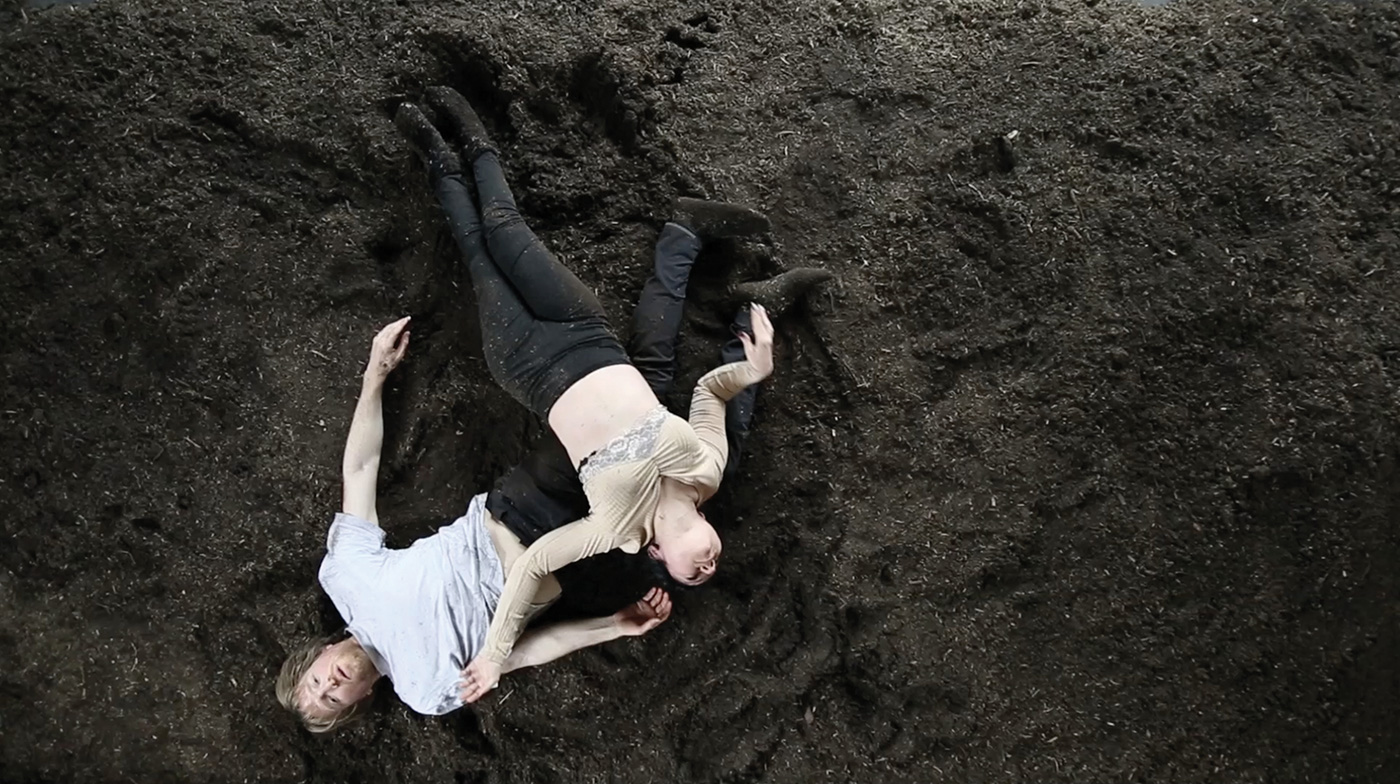
SANDRA Vidéo, Couleur, Son Stéréo, 24 min, HD, - 2025 Production : PETIT FOX avec le soutien dy Centre d’art les Tanneries, Amilly Avec Sandra et Antoine Roux-Briffaud Sandra, jeune femme en situation de handicap moteur, danse au sol avec le danseur professionnel, Antoine Roux-Briffaud. Couchés sur un sol de terre, les danseurs, tels des végétaux explorants leur territoire et tentant de prendre racine s’éveillent doucement, s’enlacent, s’entrelacent, progressent lentement et délicatement dans leur exploration sensorielle. Ces mouvements initiatiques guident la protagoniste vers de nouveaux possibles, parmi les confins de son territoire intérieur – à l’image d’une chanson-itinéraire qui conduit les Aborigènes Australiens au-delà de leurs contrées, vers des ailleurs inexplorés. Le visible et l’invisible sont ainsi confondus : à travers le chant ou la danse, le monde devient une traduction intuitive via une autre forme de langage – qu’elle soit visuelle, sonore, ou encore gestuelle.
Née en 1982, Julie Chaffort vit et travaille à Bordeaux. Artiste pluridisciplinaire, elle explore le cinéma, la vidéo, la performance et la musique grâce à des œuvres immersives, poétiques et sensibles. Plaçant la rencontre avec l?autre au cœur de son processus de création, Julie Chaffort, en tant qu?exploratrice curieuse, navigue et dialogue avec son environnement, provoquant des situations drôles, surprenantes, émouvantes ou fantasques. Elle met ainsi en scène des présences humaines, animales ou encore végétales qui spontanément interagissent, se connectent et entrent en communion les unes avec les autres. Déplaçant le regard à travers cette idée de « pas de côté », l?artiste décale les perspectives habituelles pour ouvrir vers de nouvelles perceptions. En jouant sur l?étrangeté, l?humour et l?absurde, elle invite le spectateur à questionner ses repères et à envisager l?altérité sous un angle nouveau. Tournées en plan séquence, la plupart du temps au sein de paysages naturels, des scènes imprévisibles aux temporalités étirées se font jour face à l?objectif de la caméra qui, à l?image d?un témoin silencieux et immobile, observe patiemment la scène et contemple la fragilité de l?instant. Julie Chaffort est lauréate de plusieurs prix dont le « Prix Bullukian » de la fondation Bullukian, le prix « Talents Contemporain » de la fondation François Schneider, le prix des amis des Abattoirs « Mezzanine Sud », le prix Mécènes du Sud Montpellier-Sètes; elle a été finaliste par deux fois des « Audi talents Awards". Ses oeuvres figurent dans les collections du Frac MECA Nouvelle-Aquitaine, Frac Artothèque Nouvelle- Aquitaine, Frac de la Réunion, Frac Occitanie. Ses films sont diffusés en festivals notamment au FID Marseille.

Anouk Chambaz
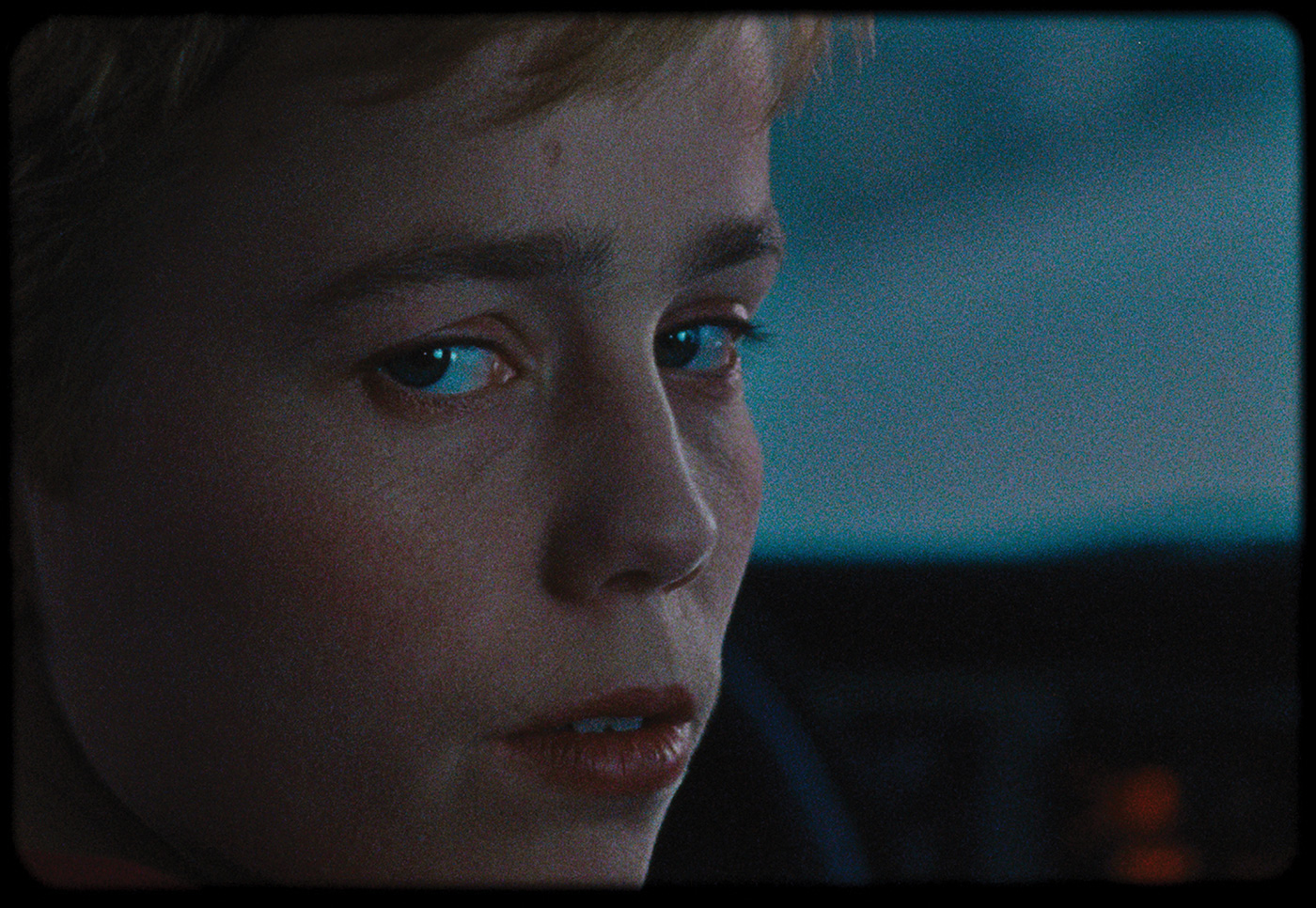
Di Notte
Experimental film | 16mm | color | 8:10 | Switzerland, Slovenia | 2025
It’s almost night on the mountain. A solitary car moves along the road. At the wheel, someone starts singing a strange lullaby
Anouk Chambaz (Renens, 1993) works with moving images, exploring the thresholds between spaces, dreams, and individuals. She holds a degree in cinema from ECAL, Lausanne, and in philosophy from La Sapienza, Rome. She received the Combat Prize (video) in 2022, and special mentions at the Francesco Fabbri Prize in 2023 and the Rio de Janeiro International Film Festival in 2024. In 2025 she is finalist for The Talent Prize.
Antoine Chapon
Al Basateen
Documentary | dcp | color | 24:41 | France | 2025
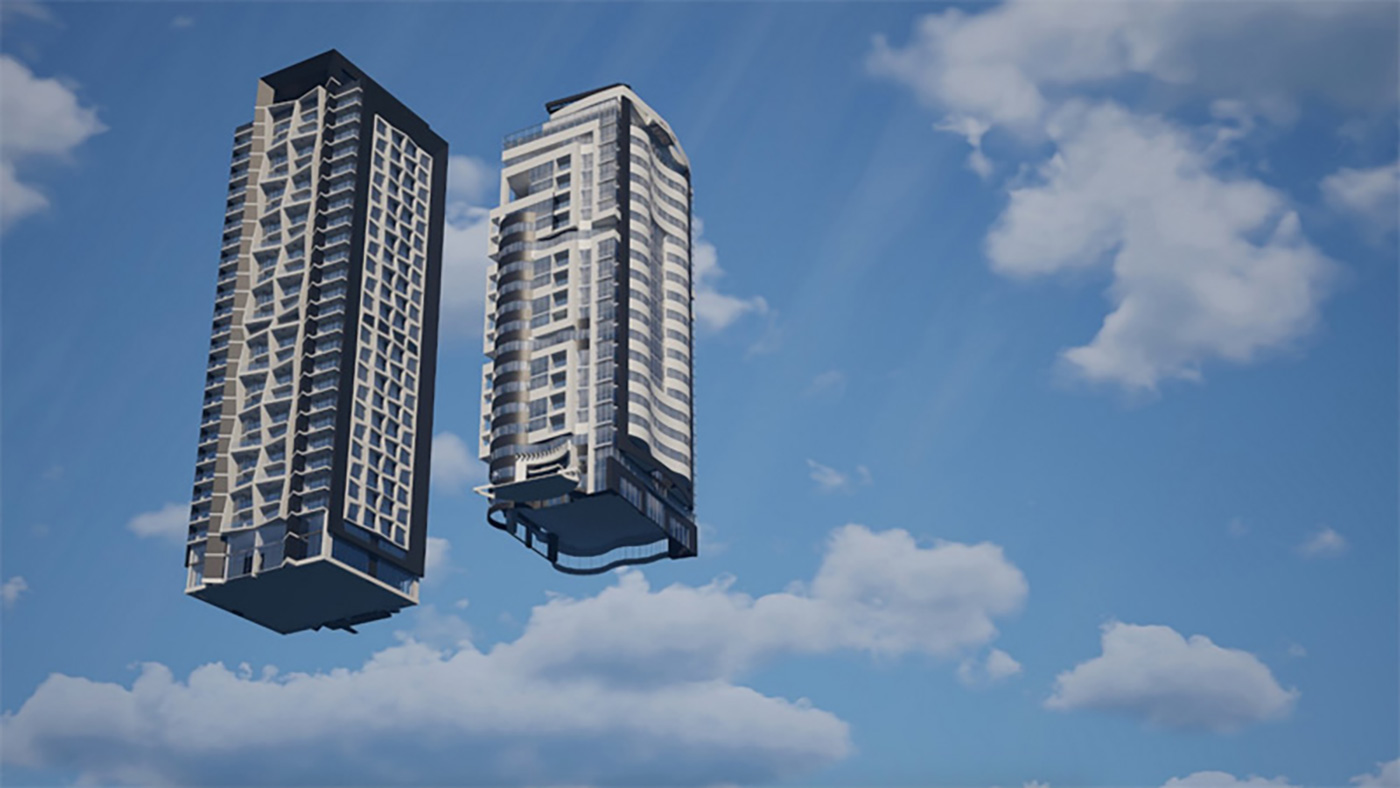
In 2015, the Basateen al-Razi district of Damascus was razed to the ground as punishment for the population’s uprising against Bashar al-Assad’s regime. This area is set to be replaced by Marota City, a modern and connected district featuring 80 skyscrapers. Ten years later, having lost everything, two former residents reflect on their neighborhood, where their homes and the oldest orchards in Damascus once stood. Through their testimonies and the repurposing of regime-produced 3D animations, memory is awakened and resists this deliberate erasure.
Antoine Chapon (b. 1990, France) is a filmmaker and multidisciplinary artist. His work creates hybrid forms using cinema, CGI animation and archives. His first short film "My Own Landscapes" premiered in Visions du Reel where it won the Best Short Film Award. It was then selected in more than 40 festivals, such as Sundance, Telluride, Palm Springs, Sarajevo and Premiers Plans. His work has been showcased at ZKM|Karlsruhe, Centre Pompidou, the 17th Venice Architecture Biennale and the Singapore Art Museum. He is a Berlinale Talents alumnus and he is currently writing his first feature documentary.


Jean-sébastien Chauvin
qui songe...
Experimental video | mov | color | 12:0 | France | 2025
qui songe... Jean-Sébastien Chauvin, 2025 [12 mn] Au fil des jours, les manifestations poétiques de la réalité, enregistrées à partir d’un téléphone. Montage : Emmanuel Curtil
Jean-Sébastien Chauvin vit et travaille à Paris. Cinéaste et critique de cinéma, il est également photographe. De 1999 à 2020, il écrit pour la revue Les cahiers du cinéma et pour Vogue France. En 2008, son premier court-métrage Les Filles de Feu est sélectionné à la Semaine de la Critique au Festival de Cannes. Après quatre autres courts-métrages, l’expérimental Mars exalté lui apporte une reconnaissance internationale après sa sélection à la Berlinale 2022 et le Teddy Award qui lui est décerné. La même année, Le Roi qui contemplait la mer explore les mêmes liens qui unissent corps et paysage, ainsi que la tension érotique qui en émane. En parallèle de sa carrière cinématographique, Jean-Sébastien Chauvin n'a de cesse de photographier et filmer quotidiennement son entourage et son environnement. Il commence dans les années 1990 en expérimentant avec des appareils argentiques avant de trouver dans les appareils numériques, l’iPhone et Instagram les outils adéquats à sa pratique du snapshot. Réalisées au Leica M9 ou à l’iPhone, les photographies et vidéos de Jean-Sébastien Chauvin rendent compte de la vie quotidienne autant qu’elles figurent et questionnent l’action de la lumière dans notre perception des choses ou la poétiques des gestes cachés dans l’infra de la vie, toute une dramaturgie d’attitudes cachée dans les replis du quotidien. C’est à partir de cette matière que Jean-Sébastien Chauvin et son monteur, Emmanuel Curtil, ont conçu qui songe….

Jingru Cheng, Chen Zhan, Mengfan Wang
Till Ashes Turn Into Pines
Experimental doc. | 0 | color | 9:0 | China | 2025
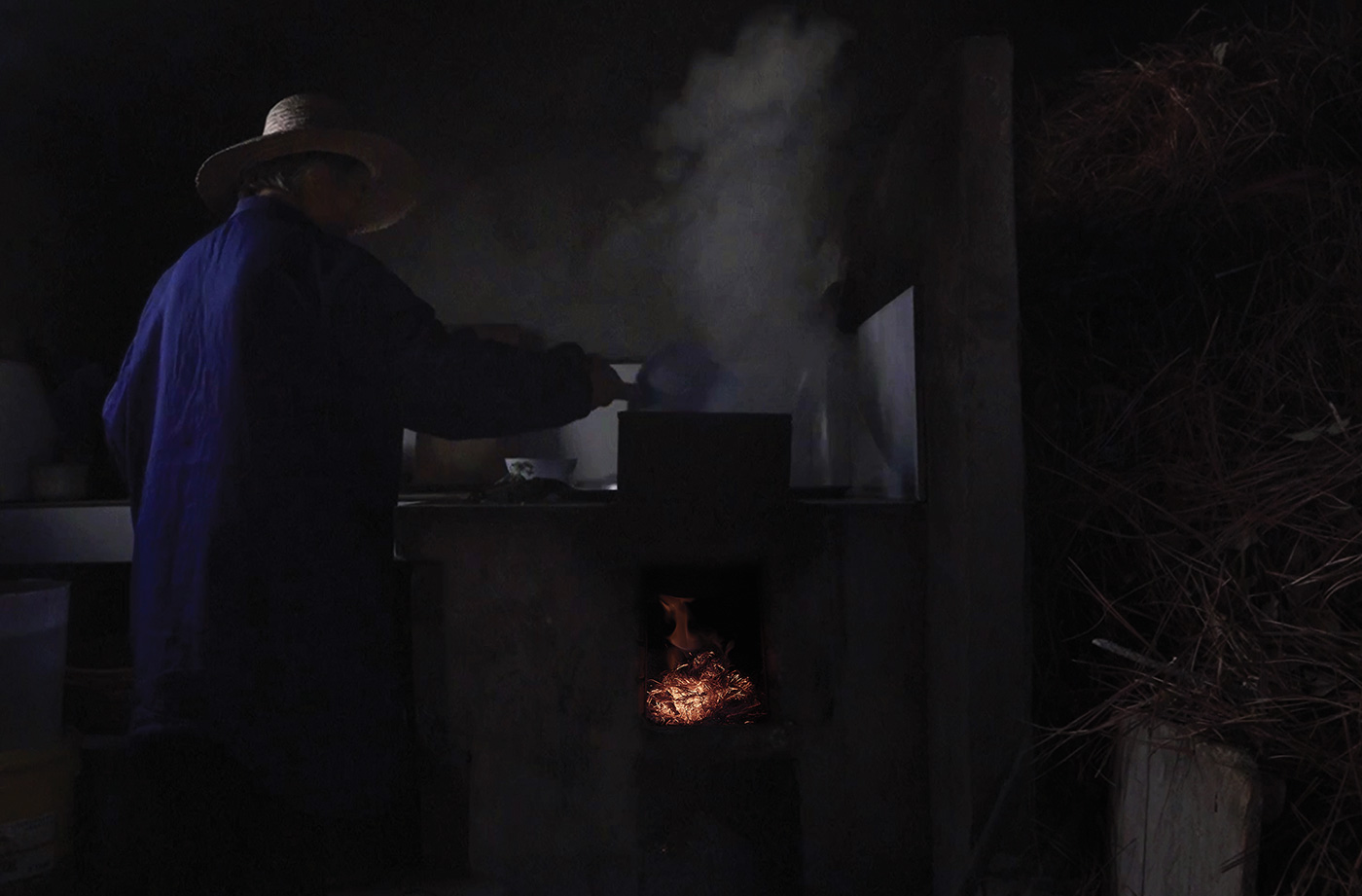
Set in Shigushan, a village on the outskirts of Wuhan, this short experimental documentary traces the gestures of elderly women who tend family pinewoods for survival. These trees, once used to construct the village’s People’s Commune Assembly Hall during China’s collectivisation movement, now stand as living witnesses to shifting relations between labour, land, and history. Through the women’s daily gestures of care—collecting pine needles for fuel, trading sap, or selling timber—the film traces fragile circuits of exchange that link the countryside and the city. Human and nonhuman labours intertwine and continue to co-produce worlds amid social and ecological precarity. Rejecting linear narration, the film unfolds through fragments and resonances, using juxtaposition as a method to hold contradictions—between architecture and anthropology, choreography and cinema—without resolution. It is an act of attunement to fragility, reciprocity, and reincarnation as cyclical, material conditions of life. This is the final part of a film trilogy under the project ‘RIPPLE RIPPLE RIPPLING’, a ten-year relationship with a village community, attuning to how Chinese rural migrant workers make worlds.
Jingru (Cyan) Cheng and Chen Zhan are co-founders of field-0, a research-oriented practice at the intersection of architecture, anthropology, art and filmmaking. Field-0 trials situated, sensorial approaches to dissecting planetary interconnectedness, while grounding their work in communities. Through fieldwork, following drifting bodies—be they sand, water or migrant workers, the practice attunes to material flows, planetary scales, intergenerational time, and the many forms of life entangled in these processes. Their films have won the Architecture Short Film Award at the Milano Design Film Festival (2024) and Best Short Film at the Venice Architecture Film Festival (2023). Mengfan Wang is an independent theatre director and choreographer whose practice reimagines daily acts with middle-aged women, children, and retired ballet dancers to explore performative expressions of ordinary and ageing bodies. Named a “Dance Hopeful (Hoffnungsträger)” by tanz magazine (2018), her works have been featured at the VIE Festival Bologna, Beijing Fringe Festival, and Wuzhen Theater Festival. Commissioned by the Centre Pompidou and West Bund Museum Shanghai, her latest piece Narrative Fountain appeared in Women in Motion 2023. Together, Cyan, Chen, and Mengfan co-curated Ripple Ripple Rippling, a 2024 solo exhibition at the Architectural Association, London, showcasing their multi-year research with Shigushan Village, China.

Ahram Choi
Ice
Video | 0 | color | 6:2 | Korea, South, Germany | 2024
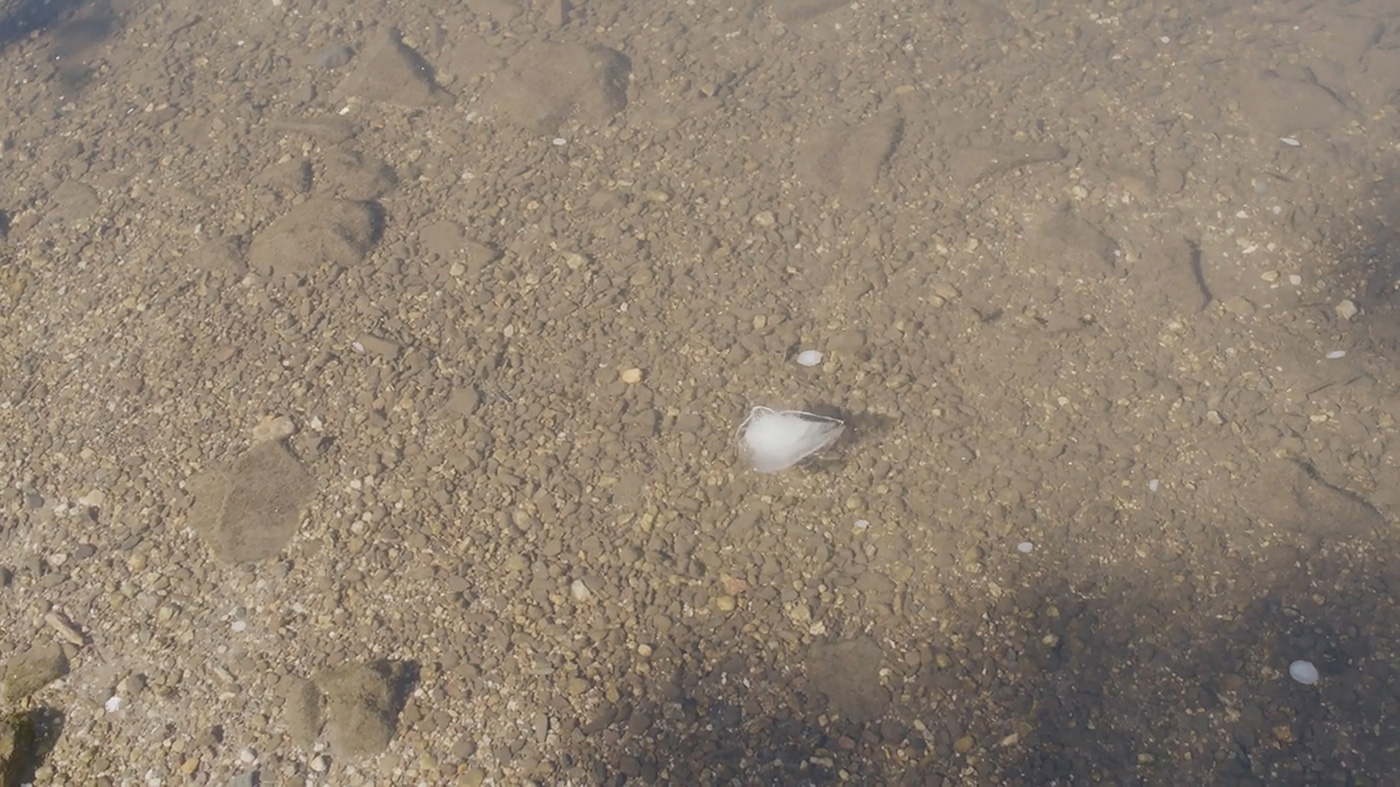
“Ice” follows a woman walking along a riverside before she quietly kneels and releases a block of ice into the flowing water. The work moves slowly, allowing the small gestures surrounding this action to surface with clarity. As the ice drifts and dissolves, the scene becomes a meditation on everything and nothing. It reflects on what is carried, what is left behind, and what quietly disappears without resistance. This work moves between documentation and metaphor. The physical melting of the ice mirrors the gradual fading of thoughts, emotions, and states of being that once felt solid but eventually lose their form. What seems like a minor act begins to echo larger questions about attachment, cultivation, and the invisible residue left by moments of departure. “Ice” does not aim to narrate a story, but rather to offer a space of deceleration, where time stretches and the viewer can lean into subtle shifts. These include the weight of the ice, the coldness of the air, and the sound of water carrying something away. Within this quiet event, the work invites contemplation on how a small, dissolving object can hold the fullness of something once considered everything, even though it is now becoming almost nothing.
Ahram Choi is a visual artist working with video, installation, photography, and text. Her practice focuses on subtle emotional states, temporal fragility, and the quiet traces that remain around moments of departure or transition. Through minimal gestures and slow, observational structures, she explores how small actions can reveal internal landscapes that are rarely spoken but deeply sensed. Born in South Korea and trained in time-based media art in Germany, she creates works that move between documentation and metaphor. Her videos often unfold gradually, offering a space where viewers can sense shifting atmospheres and disappearing elements. She approaches each work as a quiet inquiry into perception, memory, and the transient qualities of experience.

Gaëlle Cognée
Groupe loup
Experimental doc. | mov | color | 22:32 | France | 2024
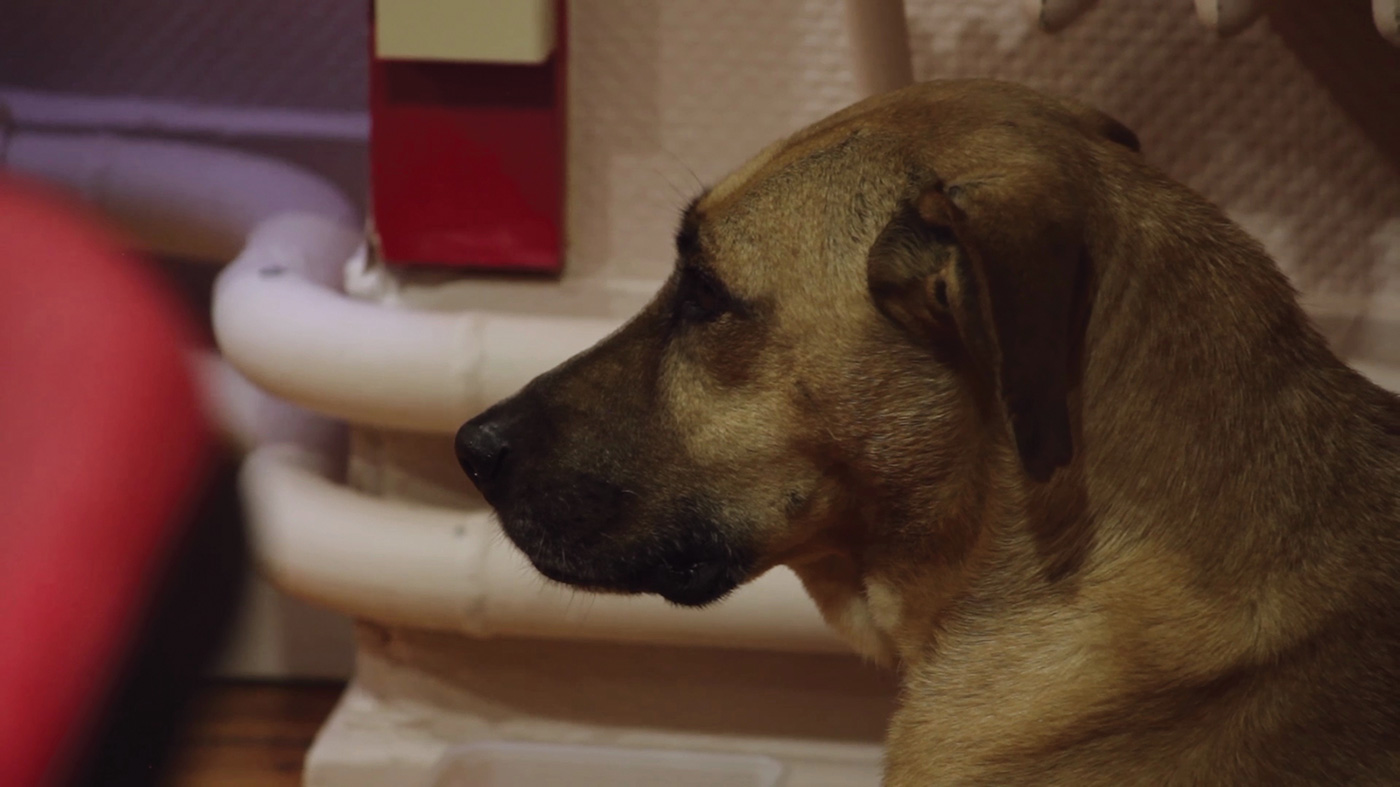
In a meeting room, people are reviewing a past event and discussing the future of their group. The atmosphere becomes thick with a strange presence that keeps circling around the meeting table. Filmed during a meeting of a knowledge-building group, this video delves into the collective experience of bringing together opposing views on the return of the wolf. It intertwines subjective feelings, facts, and the reformulation of statements made by representatives of environmental, agricultural, and hunting associations. The only witness to these closed-door accounts is a dog, a docile cousin of the wolf, bred in captivity. The situation offers a contemporary counterpoint to the trials of yesteryear, places where justice was distorted by the religious and philosophical culture of the time and carried out by the authoritarian entities that guaranteed ‘civilisation’ in the face of the state of nature.
Gaëlle Cognée has been living in a hamlet for several years. The video artist immerses herself in the slow passage of time, which allows her to sense the changing seasons in the woods, the murmur of local rumours and political upheavals. Using this shifting, parasitic material, she creates video works that explore common or underground narratives. Through friendships, neighbours and citizen groups, Gaëlle Cognée sources her projects by cross-referencing stories. In local press reports, myths and historical figures, and testimonies slipped into the forest, Gaëlle listens, collects, writes and gathers. Like a contemporary woodcutter, she ties together her findings from readings, conversations and objects. She scatters videos, captured mainly on amateur cameras, which form subjective testimonies to these contexts. As the initiator of collective artistic initiatives, whether in creative spaces (Collectif Plafond, 2010-2017) or in her own production process, videos and publications, she places each project in relation to others and to her own way of being. Thus, in her works, human beings, animals and beings engage in dialogue.

Jana Coorevits
matter on its dance through time
Experimental film | mov | color | 19:32 | Belgium | 2025
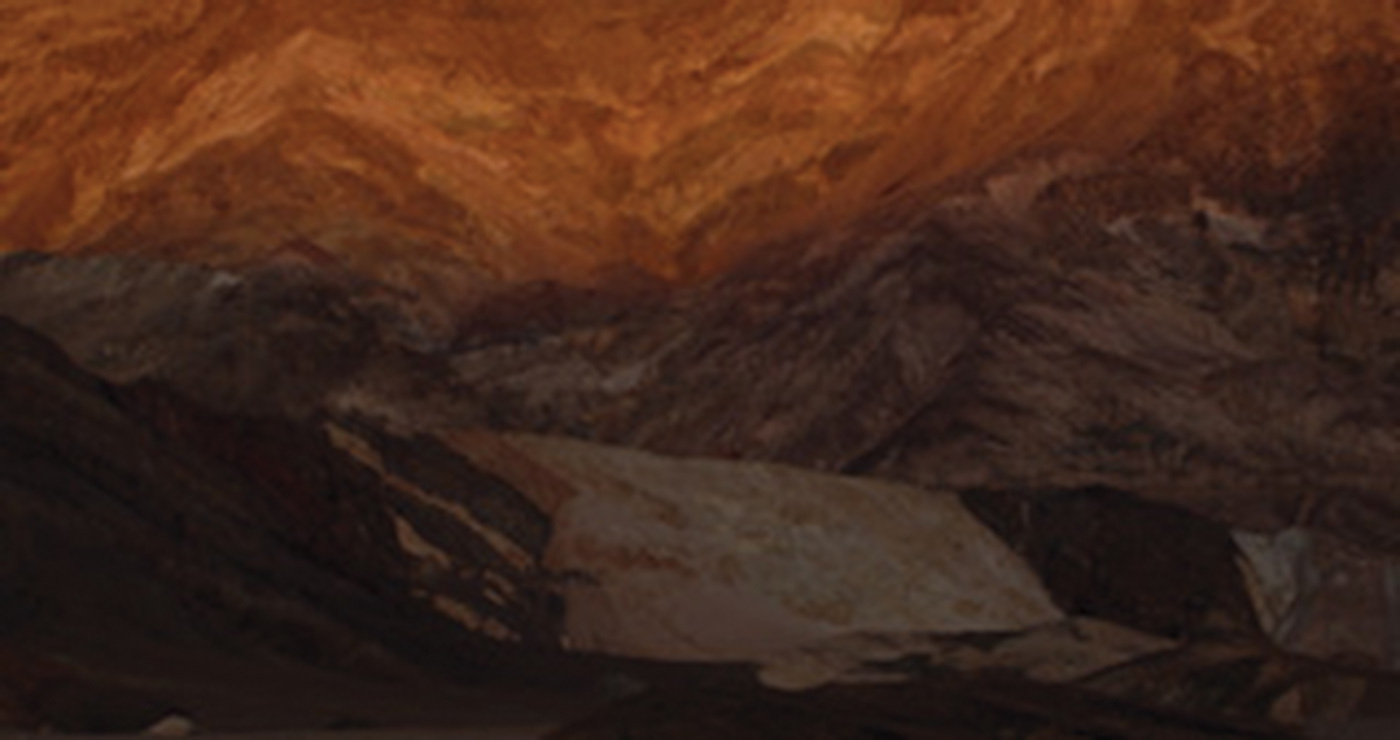
In an immense landscape, nature’s fragility and detail take on meaning. The moon shakes, a stone balances on a rock, a storm obscures an entire mountain range. Visible frailty evokes the vulnerability in the aftermath of sexual violence.
Jana Coorevits’ artistic practice is situated at the intersection of experimental film, photography, and visual art. She delves into issues surrounding femininity, vulnerability, and trauma. In recent years, her focus has been on finding ways to speak about personal and collective experiences of sexual violence through artistic work. This research translated into works that evoke stillness and sensory contemplation, giving voice to what cannot be expressed in words. She plays with the way changing light reveals an intuitive tension between perception and registration, between appearance and imagination. She holds a MA in audiovisual arts (LUCA School of Arts, Brussels). In collaboration with Charlotte Van den Broeck, she worked as an artistic researcher (Royal Conservatoire Antwerp) on the project Aarduitdrijvingen/Peak: A visual investigation of ‘Gendered Landscape’. She is part of URSULA collective and represented by Fred & Ferry Gallery (Antwerp).

Jasper Coppes
KALI WAAL
Experimental doc. | 4k | color | 22:29 | Netherlands | 2024
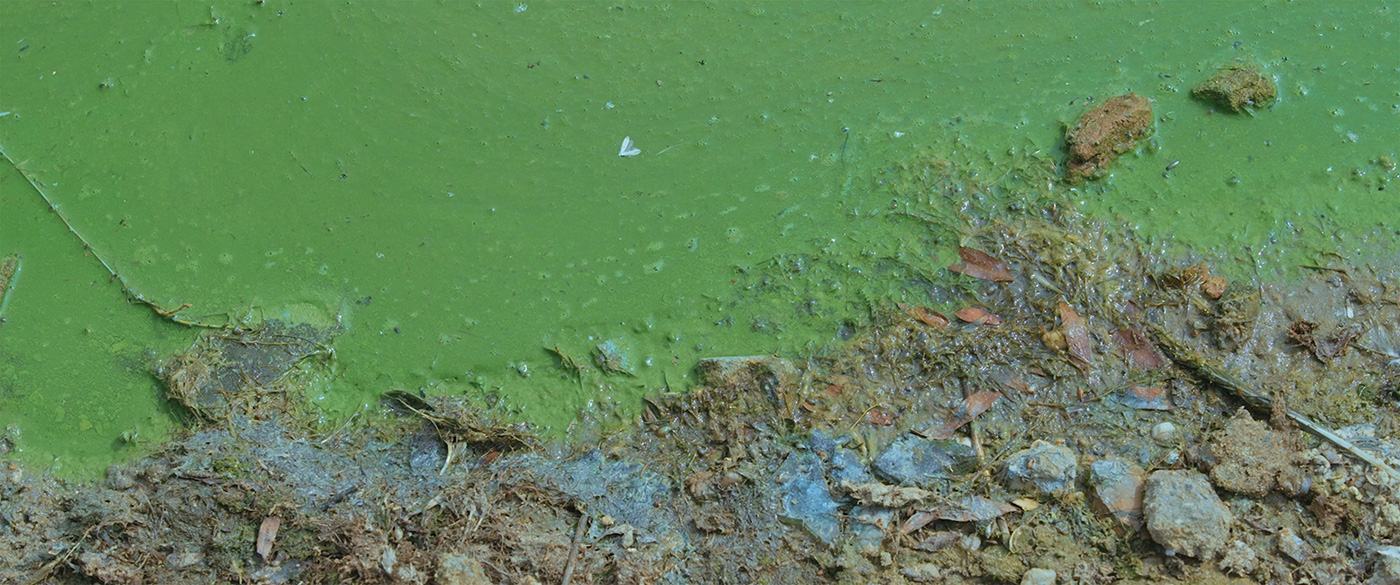
A group of researchers visits a site of ecological controversy and learns of the strange events that are happening to a lake and its human and non-human inhabitants. Can this natural reserve be healed with toxic mud as industries claim? In the short film KALI WAAL, landscape design is both poison and remedy. A nature reserve in the Netherlands is the setting for an ecological controversy. Decades of industrial sand extraction created lakes so deep that no light can reach the bottom. The lakes have become lifeless pools of water. Industries recently started to dump contaminated mud in these lakes, claiming that such undeepening will increase the biodiversity. A group of young researchers gradually discovers that this landscape is neither an innocent rewilding project, nor an ecological dead-end. As resilient forms of life take center stage a new ecology of plants, alga, animals, and machines increasingly takes over the film.
Jasper Baldwin Coppes (1983, Amsterdam) is a visual artist who works in a diverse range of media such as films, sound performances, installations and writing. In these, Coppes explores the ways in which dominant narratives about the world and its inhabitants can be transformed. Controversial sites, other-than-human entities and seemingly silent objects have often been the core interests in his practice. Coppes graduated from the Gerrit Rietveld Academie in 2008 and was a fellow at the Jan van Eyck Academie in Maastricht in 2010 and 2011. He has participated in international exhibitions, film festivals and conferences and is a tutor at the Royal Academy of Art in The Hague and the Rietveld Academy in Amsterdam.
Juliette Corne
Izioum
Documentary | mov | color | 4:18 | France, Ukraine | 2025
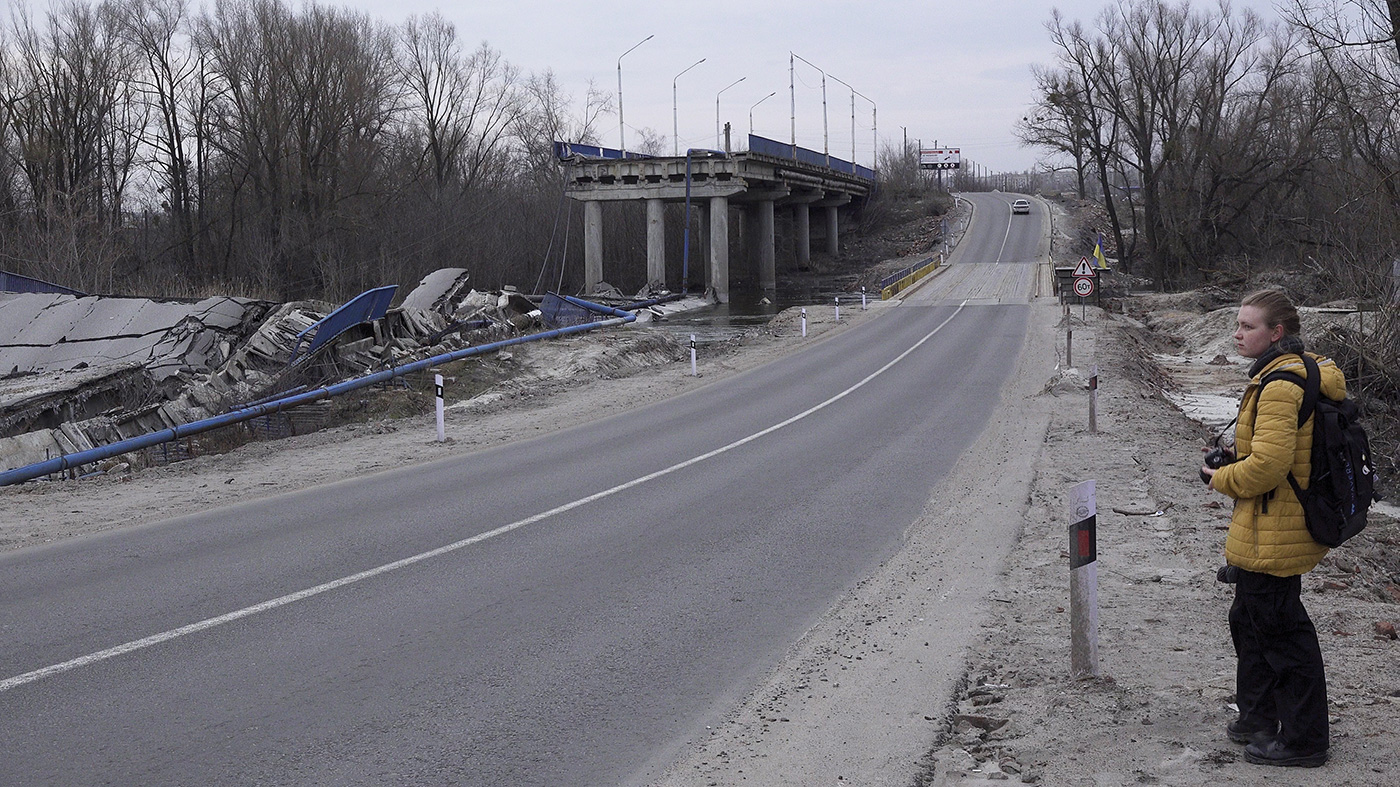
The central square of Izium, a few months after the city’s liberation. A hesitant camera pans over the traces of war, while residents resume their daily lives.
Juliette Corne holds a national higher diploma in visual arts from the Beaux-Arts de Paris. Her work navigates between contemporary art and cinema, exploring contemporary socio-political events and their consequences on representations and intimacy. Committed to revealing the mechanisms that lead to the normalization of violence, she captures, through her films, installations, and photographs, moments of life that continue despite horror and war. Zoé Monti
Ico Costa
Balane 3
Documentary | 16mm | color | 98:0 | Portugal | 2025
BALANE 3 is a neighborhood in Inhambane, a city in the south of Mozambique. In 2019, I filmed a bit of the life of its inhabitants. Like any people in the world, the characters in this film work as fishermen, butchers or car washers, they go to school, hospitals, hair salons and markets, they drink and dance at night, they talk about politics, illnesses, friendships, love and sex. They talk a lot about sex.
Ico Costa is a Portuguese film director and producer of Oublaum Filmes. He has made the short films FOUR HOURS BAREFOOT, NYO VWETA NAFTA, TIMKAT and DOMY+AILUCHA: KET STUFF!, the documentaries UPROAR, ECLIPSE and BALANE 3, and the fiction feature films ALVA and GOLD SONGS. His films were presented at festivals like Rotterdam, Visions du Réel, Cinéma du Réel, FidMarseille, New Directors/New Films, among many others.
Denis Côté
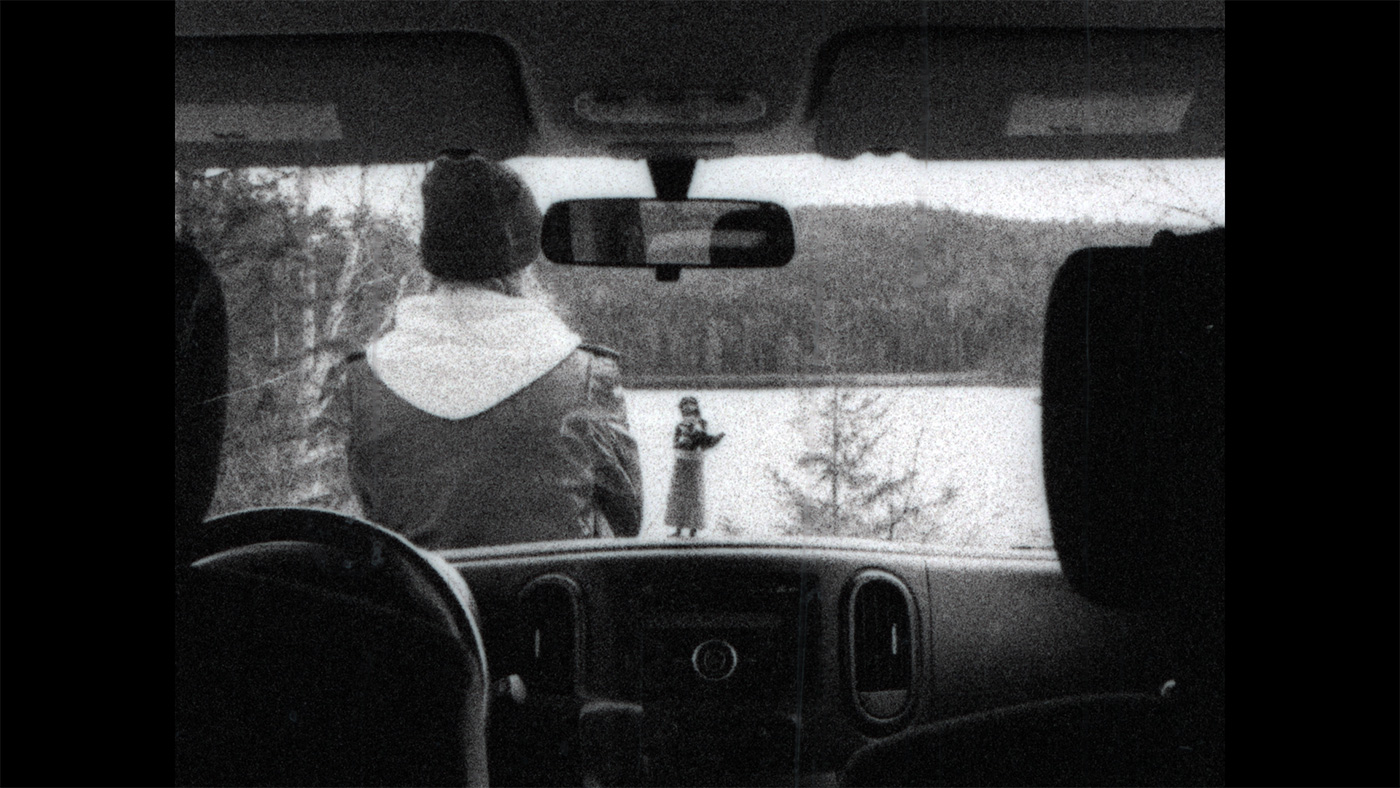
Jours avant la mort de Nicky
Experimental fiction | dcp | color and b&w | 19:30 | Canada | 2024
Hinter the wheel of his small car, Nicky seems to be on a mission. The roads fly by, but the thoughts in his head remain unfathomable and desperate. A meal, the discovery of a rifle, chance encounters: the mystery remains unsolved.
In the 1990s, he directed around fifteen short films, then worked as a journalist and film critic before directing his first feature film, Les états nordiques, in 2005. His fourth feature film, Carcasses (2009), was presented at the Directors' Fortnight in Cannes, while Curling won honours at the Locarno Festival in 2010. Vic+Flo Saw a Bear (2013) won the Silver Bear at the Berlinale in Germany for its innovation. He has presented four feature films in the Official Competition at the Berlinale. Denis Côté's unique films have been shown at hundreds of film events and have been the subject of some forty retrospectives around the world.

Maud Craigie
Placing
Experimental fiction | mov | color | 7:46 | United Kingdom | 2025
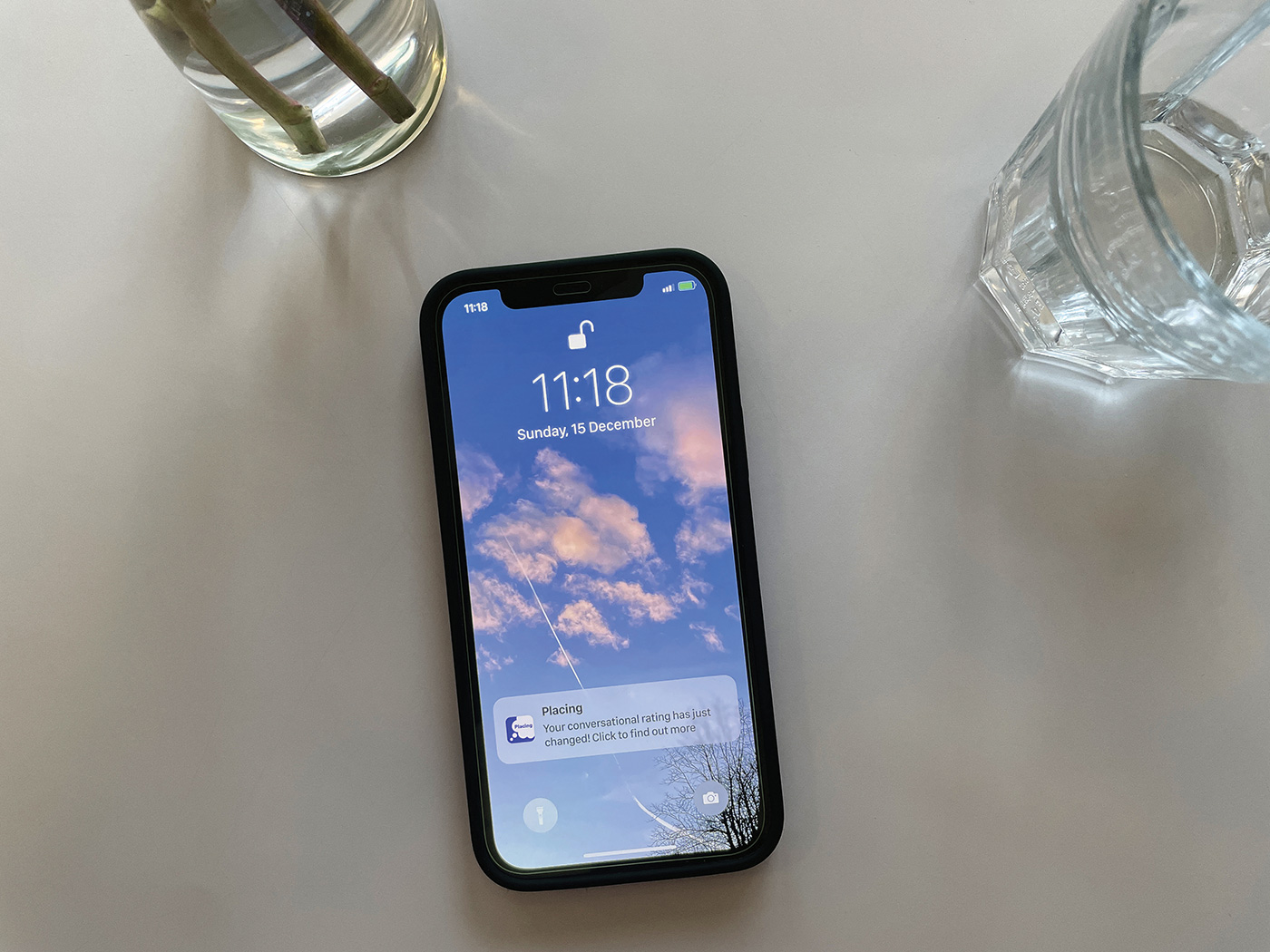
Placing (2025) imagines an embedded marketing company that pays people to insert references to brands into their daily conversations. The film is narrated by an unnamed individual, who has signed up to the Placing app to earn money while she trains to be a psychological wellbeing practitioner. As her conversational proficiency rating in the app goes up, she becomes increasingly alienated during her daily interactions with others.
Maud Craigie (London, UK) is a visual artist who combines staged and documentary techniques to consider how technologies associated with fiction-making operate within societal and institutional structures. Her work, which spans video, performance and installation, has been exhibited across the UK and internationally. Selected screenings and exhibitions include transmediale, Berlin; Xanadu, Berlin; South Kiosk, London (solo show); TULCA Festival of Visual Arts, Galway; MIRROR, Plymouth (solo show); B3 Biennial, Frankfurt; Pixelache Festival, Helsinki; David Dale Gallery, Glasgow; and the Freud Museum, London. Craigie is currently completing a practice-based PhD at Kingston School of Art, funded by the AHRC. Previously she studied at the Slade School of Fine Art and Camberwell College of Arts. She is the recipient of Film London’s FLAMIN Fellowship; the Boise Travel Scholarship, Slade School of Fine Art; the Red Mansion Art Prize; and the Ellen Battell Stoeckel Fellowship, Yale University.

Alina Cyranek
FASSADEN
Documentary | 4k | color | 86:20 | Germany | 2025
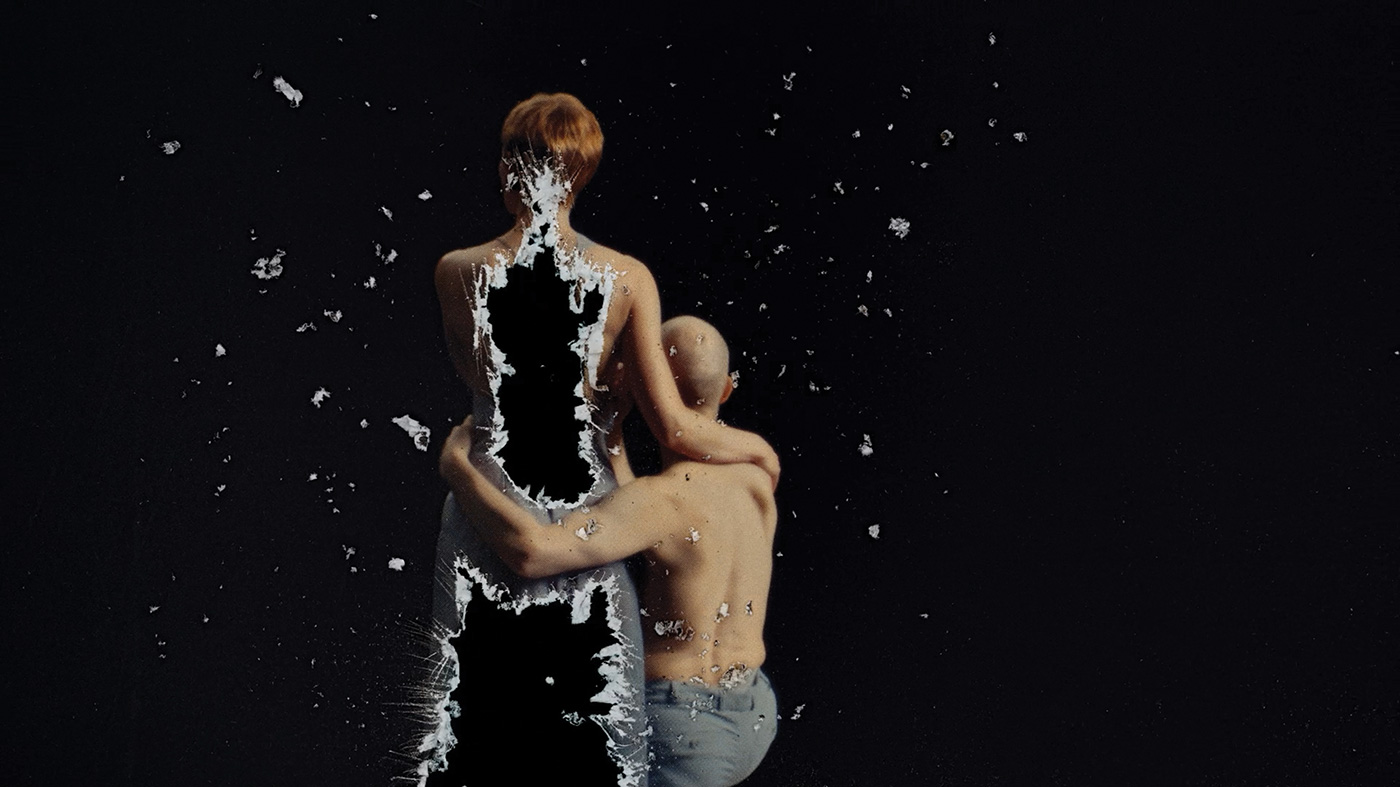
Häusliche Gewalt gegen Frauen: Die Zahlen sind eindeutig, das Leid kaum auszuhalten. Was Frauen in toxischen Beziehungen erleben, welche Auswirkungen die Gewalt auf ihr Leben hat und wie sie einen Ausweg und Hilfe finden, dies macht der Dokumentarfilm FASSADEN, der von Sandra Hu?ller gelesen wird, sichtbar.
Alina Cyranek arbeitet als Autorin, Regisseurin und Produzentin. In ihren Filmen setzt sie sich vor allem mit gesellschaftspolitischen Fragen auseinander. Neben ihren ku?nstlerischen Filmprojekten arbeitet sie als Realisatorin fu?r das MDR Kurzfilmmagazin unicato und arte KURZSCHLUSS. Fu?r ihre Kurzfilme erhielt Alina zahlreiche Preise, u.a. den Goldenen Reiter der Bamberger Kurzfilmtage, den Best Doc Award beim Social Machinery Film Festival in Salerno oder den Audience Award BEST IN SHOW, Chicago Feminst Film Festival. Sie studierte an der TU Dresden und absolvierte den Doppel-Master in Medienkunst an der Bauhaus-Universität Weimar und der Tongji University Shanghai als DAAD-Stipendiatin mit dem Schwerpunkt Dokumentar- und Experimentalfilm. 2018 gru?ndete sie mit dem Animationsku?nstler Falk Schuster die hug films GbR in Halle (Saale). FASSADEN ist ihr Debutfilm.

Sebastiano D'ayala Valva
Standing Waves
Documentary | 4k | color | 47:26 | Italy, France | 2024
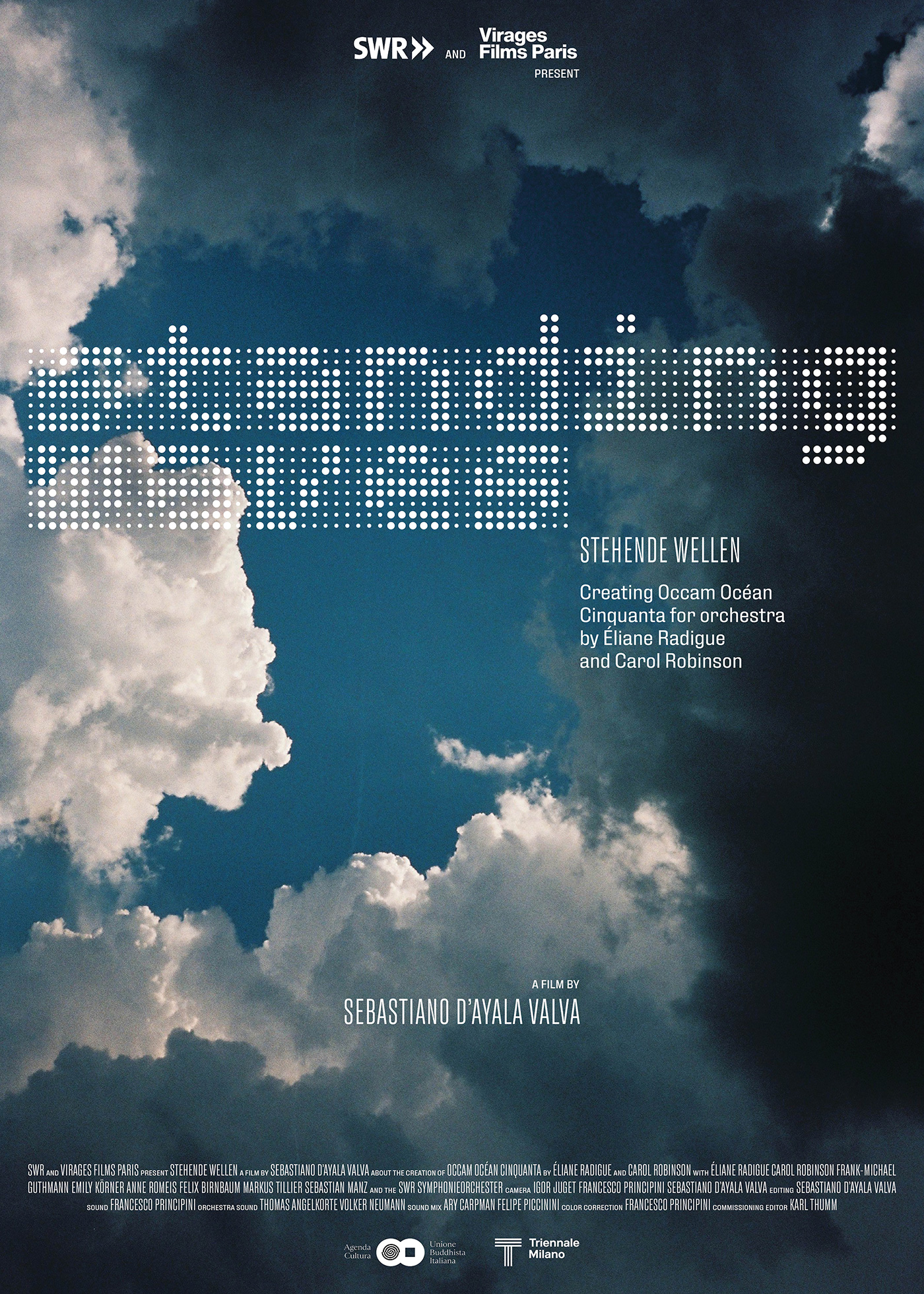
American composer Carol Robinson is in Germany to create a thirty-minute piece with the SWR Symphonieorchester in Stuttgart. The piece is co-signed by one of the pioneers of French electronic music, Eliane Radigue, who began to compose for acoustic instruments in 2005. Now in her nineties, Radigue barely leaves her Paris home, leaving Robinson to work alone with the German orchestra. But she’s confronted to the skepticism of the musicians, who dislike a central aspect of the project: that there are no written scores. The pair’s unorthodox music is expected to materialise during three days of intensive rehearsals, giving the orchestra a creative role it is unaccustomed to. Under the guidance of Robinson and the invisible but powerful aura of Radigue, the piece will find its definitive form at the Donaueschingen Musiktage, the oldest contemporary music festival in the world.
Sebastiano d’Ayala Valva (born 1978, London) is a British-Italian documentary filmmaker based in Paris. A graduate of the Institut d’Études Politiques (2003), he has written and directed numerous documentaries for French and European broadcasters since 2005. His work includes Transvestites Also Cry (2007), Angel (2009), Adapté(s) (2012), and Performants Autrement (2016). His debut feature, The First Motion of the Immovable (2018), was broadcast on ARTE and won several awards, including the Best First Appearance Award at IDFA and a Special Mention at the Turin Film Festival. He later directed Leo (2020), Farewell to the Father (2020), and Standing Waves (2023), a portrait of composers Éliane Radigue and Carol Robinson for SWR. His 2025 documentary Inclassables tells the story of elite athletes with Down syndrome.